
This website uses cookies so that we can provide you with the best user experience possible. Cookie information is stored in your browser and performs functions such as recognising you when you return to our website and helping our team to understand which sections of the website you find most interesting and useful.
ENVIRONMENT & SUSTAINABILITY
Protecting our environment: construction industry sustainability strategy
At Toureen, we approach sustainability with the same commitment we bring to all challenges in our industry, working to deliver more sustainable construction projects with global impact.
From groundbreaking work to everyday site actions, we always want to minimise our environmental footprint and enhance social value for the people around us without compromising project outcomes.
We also recognise that a sustainable future can’t be built in isolation. So we combine our in-house talent with the expertise of industry partners and clients to integrate sustainable construction practices into our day-to-day operations.
Only by working together, can we address the urgent global challenges of our time.
A more sustainable construction industry
Here are a few ways we reduce our environmental impact and promote social value in our construction sites.
Net Zero
Reducing carbon emissions and fossil fuel consumption is central to our work. We support the UK government’s target to achieve Net Zero by 2050 and deliver tangible results through value engineering, progressively eliminating diesel from our sites and contributing to the expansion of EV infrastructure.
Circular Economy
We prioritise material reuse over waste management, applying circular economy principles to keep resources in use as long as possible. Our divisions collaborate to use primarily onsite material and minimise disposal, offering pre-construction audits and strategies to promote the conservation of resources.
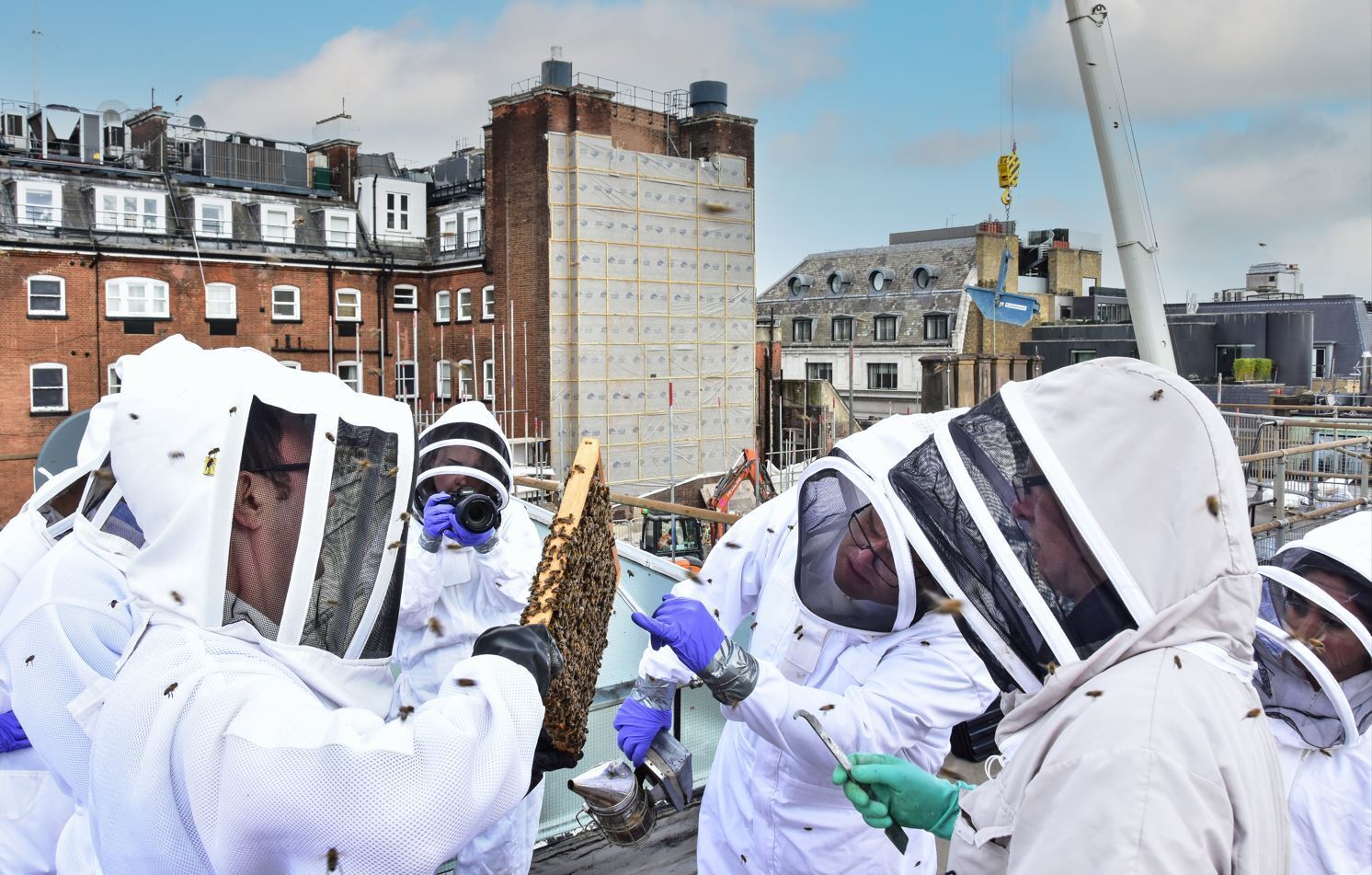
Sensitive Environments
Our work safeguards ecological, archaeological, and heritage sites, preserving species, artefacts, and historic structures. We collaborate with partners like Historic England and Surrey Wildlife Trust to restore sites to thriving ecosystems.
Sustainable materials and waste management
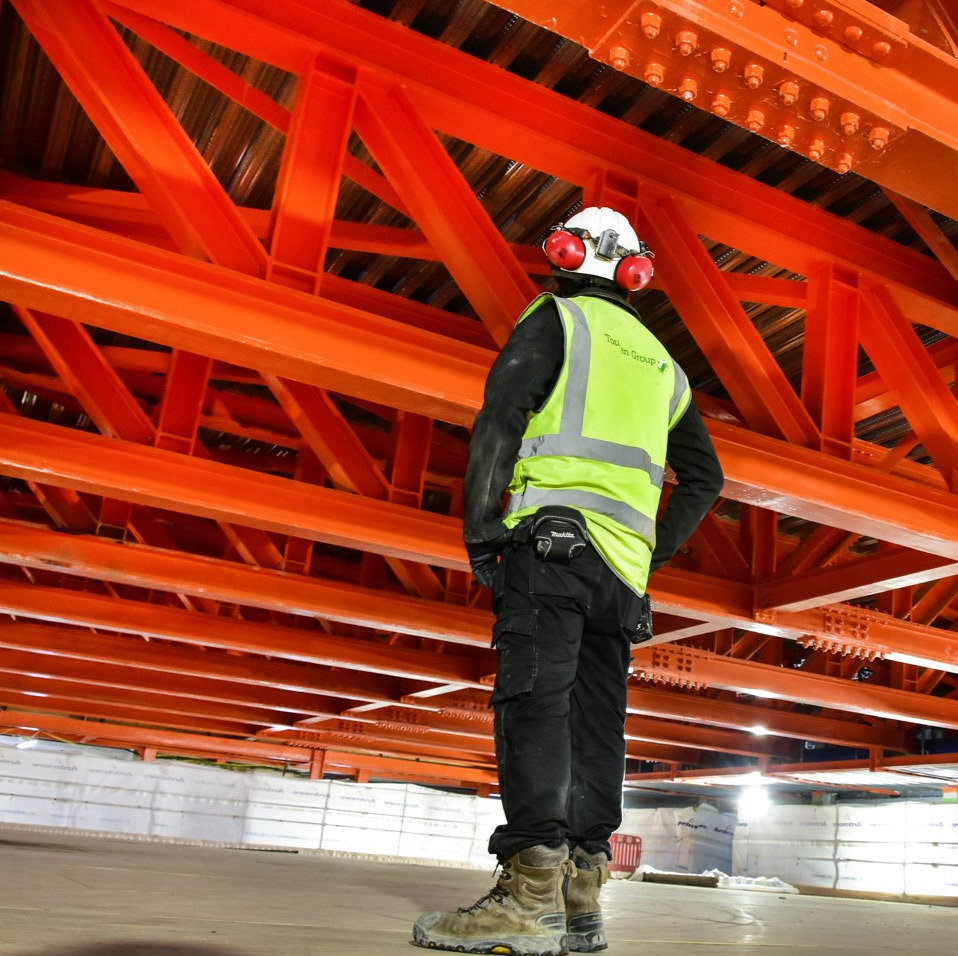
We reduce material use and carbon emissions by adopting eco-friendly designs and reusing existing structures where possible. On the Old War Office project, for instance, we achieved a 78 percent carbon reduction by minimising new waste materials and repurposing existing foundations.
Our goal is zero non-hazardous waste to landfill. We focus on reusing and upcycling materials to retain their value and avoid downcycling.
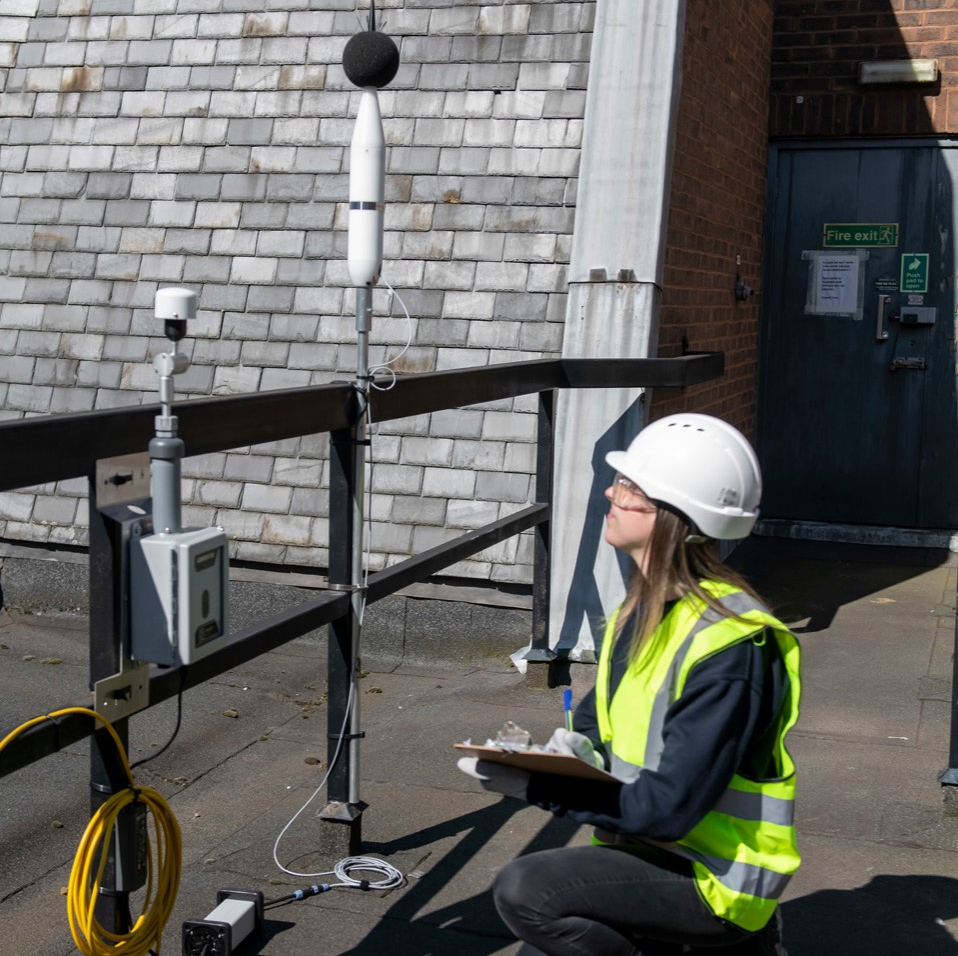
Noise, Dust, and Vibration
We use advanced noise mapping and monitoring to minimise disruption, maintaining close relationships with local stakeholders to ensure best practices in mitigation.
Continuous Improvement
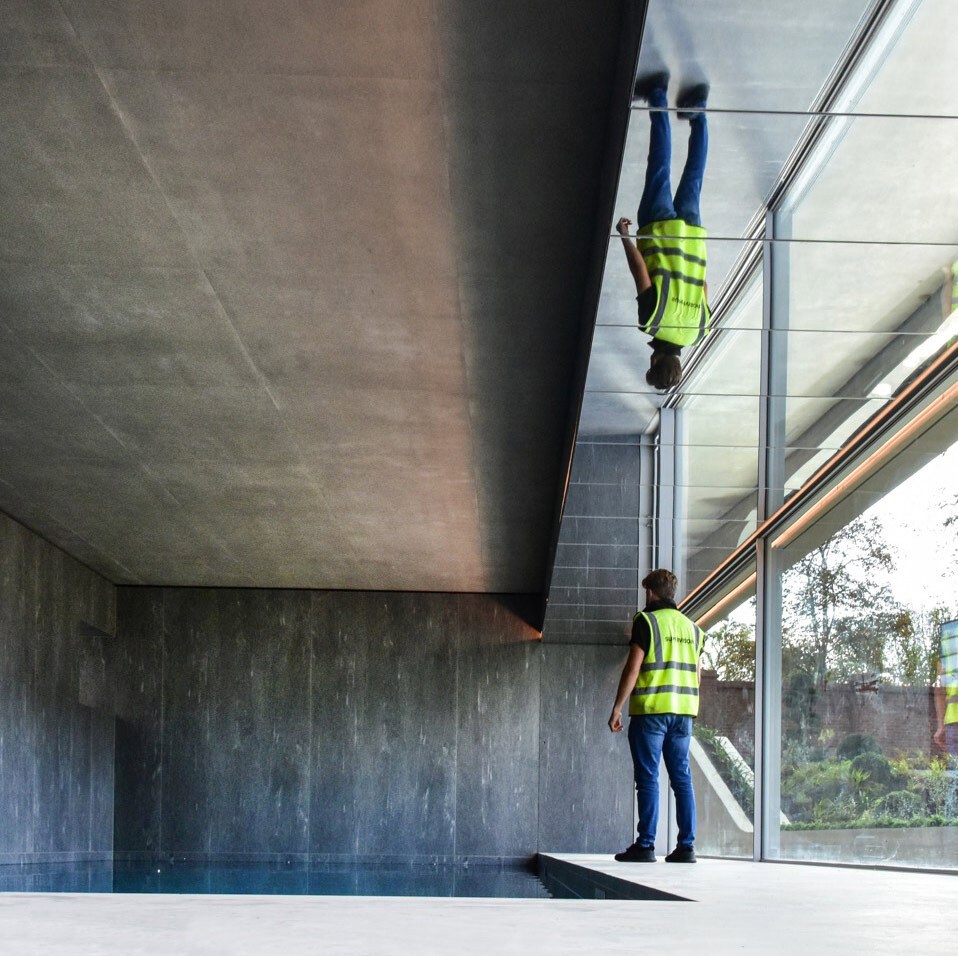
Building a better, greener future is a continual journey. So we work closely with our clients to align with their goals and ensure the long-term value of every project through sustainable practices.
Digital
Our TDM digital platform tracks sustainability metrics in real time and enhances our teams’ efficiency through seamless, tablet-based data management, translating into cost savings and improved project outcomes.
CARBON CALCULATOR
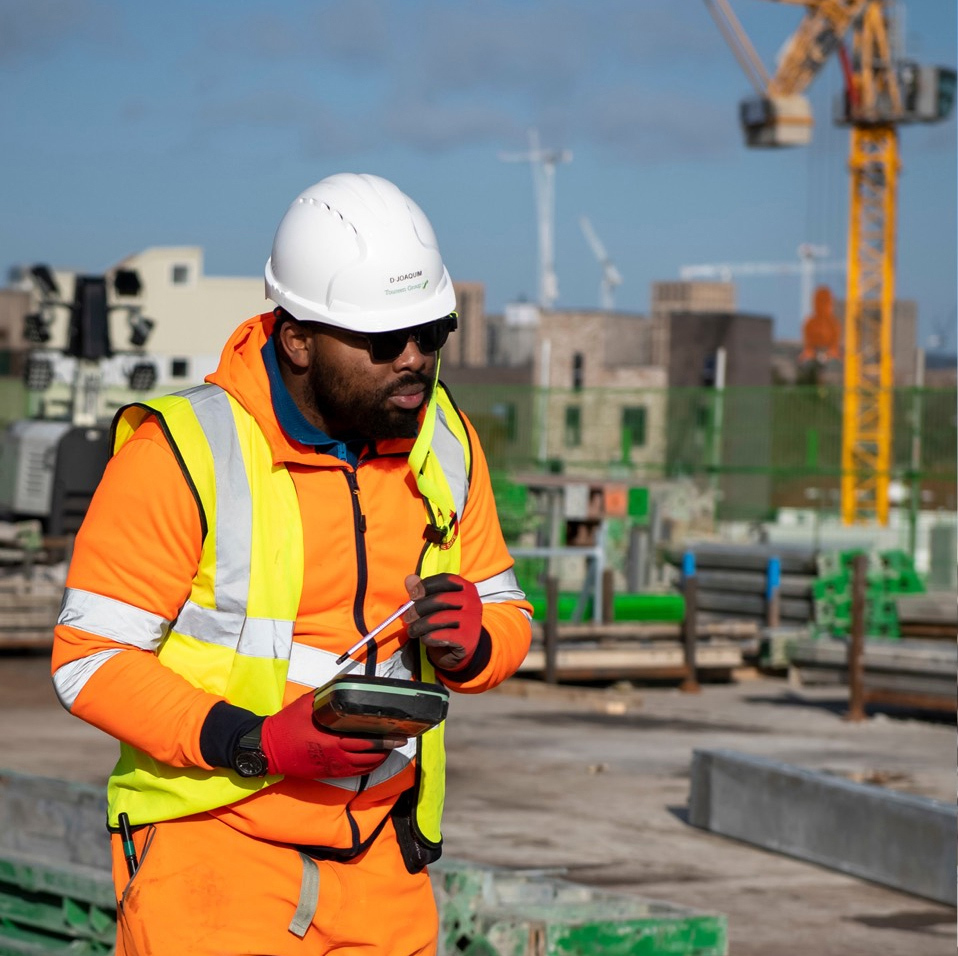
Small specification choices can have a significant impact on a project’s embodied carbon. Our Concrete Carbon Calculator helps you understand how factors such as cement type, strength class and concrete volume influence carbon emissions, enabling more informed decisions at the design and specification stage.
Toureen works proactively with its supply chain partners to deliver lower-carbon concrete mixes where specified and to reduce embodied carbon across our projects wherever possible. Use the calculator below to compare options and explore opportunities to lower carbon impact from the outset.
Continue below to access the Concrete Carbon Calculator.
Toureen Concrete Carbon Calculator
The Toureen Concrete Carbon Calculator provides indicative embodied carbon values based on ICE (Inventory of Carbon & Energy) 2025 carbon factors. Results are for awareness and guidance purposes only.
Toureen has the supply chain capability to deliver lower-carbon concrete mixes when specified and continues to work proactively with supply chain partners to reduce embodied carbon impact wherever possible.
Your Specifications
Cement Type
Cement Type Guide
| Code | Name | Clinker Replacement |
|---|---|---|
| CEM I | Portland Cement | None (95–100% clinker) |
| CIIA-S | Portland-Slag (A) | Slag 6–20%: iron production byproduct |
| CIIB-S | Portland-Slag (B) | Slag 21–35%: high byproduct content |
| CIIA-L | Portland-Limestone | Limestone 6–20%: natural ground stone |
| CIIA-LL | Portland-Limestone | Limestone 6–20%: high-purity ground stone |
| CIIA-V | Portland-Fly Ash | Fly ash 6–20%: power plant byproduct |
| CIIA-D | Portland-Silica Fume | Silica fume 6–10%: high-strength micro-filler |
| CIIB-P | Portland-Pozzolana | Natural pozzolana 21–35%: volcanic ash |
| CIIIA | Blastfurnace Cement | Slag 36–65%: significant carbon reduction |
| CIIIB | Blastfurnace Cement | Slag 66–80%: very low carbon footprint |
| CIVA-V | Pozzolanic Cement | Fly ash/pozzolans 11–35% |
| CIVB-V | Pozzolanic Cement | Fly ash/pozzolans 36–55%: maximum replacement |
CIIA-S
C35/45
Impact Dashboard
Total Carbon
0.0
tonnes CO₂e
Carbon Intensity
297.97
kgCO₂e / m³
Carbon Savings
vs. CEM I baseline
Total Carbon Savings
0.0
t CO₂e
16%
CO₂e
saved
saved
Reports & Downloads
Access Toureen’s latest sustainability reports, carbon reduction plans and development-related publications. These documents provide further insight into our approach to responsible construction, environmental performance and the measures we are taking to support more sustainable project delivery across the business. From carbon reduction initiatives and ESG commitments to wider sustainability objectives, the information below highlights our ongoing focus on delivering practical, measurable improvements throughout our operations and projects.
Sustainable Development